Introduction
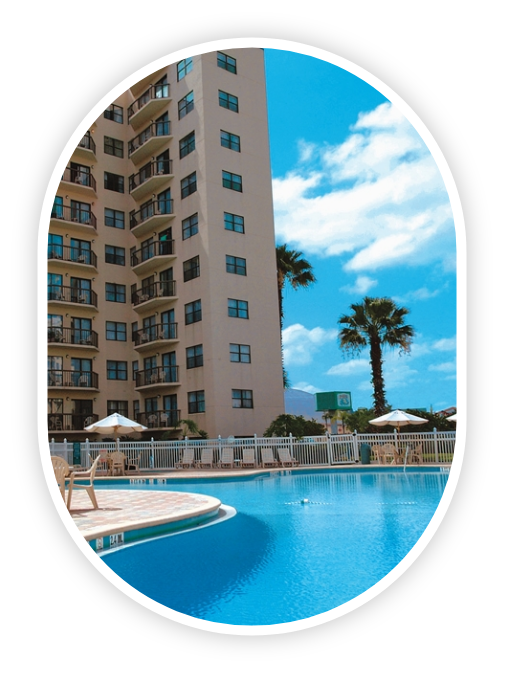
There are several types of vacation resorts and properties. Some, like Enclave Suites in Orlando, were built to have each unit have an owner then have a management company rent out the units for them. Today with services such at Air BnB and VRBO the owners have taken a more involved role.
Some of the older timeshare properties worked by selling fixed weeks for the owners to use the units available. Timeshare is an outgrowth of the Fractional Ownership model where the cost of a property is too great to be used by a single owner nor would they be able to use it year around. By selling each week of the year each unit of the property would have 52 owners to share in the cost of development and operation. The onsite management of the property takes advantage of the fact that not all of the units are owned year around or that some owners cannot use their week so they rent them out as they would a hotel room: on a first come, first served basis. Silver Beach Club in Daytona Beach is operated this way.
Each unit of the property of a resort is evaluated and assigned a value based on the time of year. This is part of the Red Week, Blue Week, and White Week that used to relate to the seasonal demand of the property.
Most of the new timeshare properties, and some of the older properties have converted, to use the point method of ownership. Each unit of the property of a resort is evaluated and assigned a point value based on unit size and the time of year. This way the owner was not limited to a specific unit but could use the points they purchased to be used at any of the associated resorts. Some of today’s larger resort developers include Wyndham, Marriott, Hiton (now owners of Diamond Resorts), and Bluegreen (soon to be acquired by Hilton). Points are allocated on an annual basis and often must be used in that year or are forfeited.
To help with the limited time use of the vacation week or points additional businesses were created such as RCI and Interval International. These companies would allow you to deposit weeks or point into there systems for an exchange fee so you could use them at other affiliated resorts. This allowed the older, and smaller resorts to offer similar advantages as the larger resort networks.
Timeshare or Vacation ownership is not for everyone. This is primarily due to the cost involved. The various large resorts cost millions of dollars to build and operate. To spread out this cost the developers sell weeks or points to make their profits. Yet often they retain majority ownership to give them control in setting the various fees involved in ownership. There are two sets of costs in ownership. First is the upfront cost to purchase the week or points to be used annually. It is this purchase that make you an owner. Then there is the recurring cost. These include annual maintenance and assessments. The developers don’t absorb the cost of operations: maintenance, housekeeping, landscaping, property taxes, etc. They divide them among the owners. These are the costs that drive many away to use the Timeshare Exit companies because they never end. They are especially bad if the owner does not have the opportunity to use the properties each year.
The closing agent after a successful sales presentation will tell you this is not a purchase to be considered as a financial investment, only a personal investment for your vacation time. The sales agent is often not as straight forward and may hint of other options. Buying a timeshare or any vacation property is not usually considered a real estate investment.
When owners make their weeks or points available to others it is to make sure they don’t go to waste and more so that it is not feeling like a loss. When you use one of the listed resorts, we have here at Resort For Rent By Owner, it helps the owners meet their financial obligations to keep the property in a paid up status for when they can use it themselves.
So, what is involved in determining the cost to rent a property. In the end that will be determined by the owner of the property. For fixed weeks It will possibly be based on the surrounding hotel rack rate or government per diem rate for that time of year. However, remember that resorts are more than hotels in what they have to offer, it is not just a bed and a bathroom. Most also have kitchens and separate bedrooms and living rooms. For the points-based properties it can be based on the cost per point associated with the property at purchase. The other factor is the maintenance and assessments charged for that year (often also based on the number of points owned), and they usually go up as is the nature of our economy.
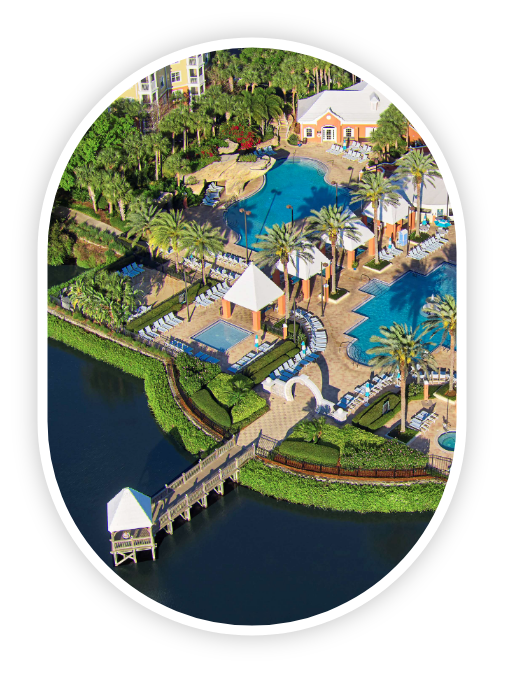
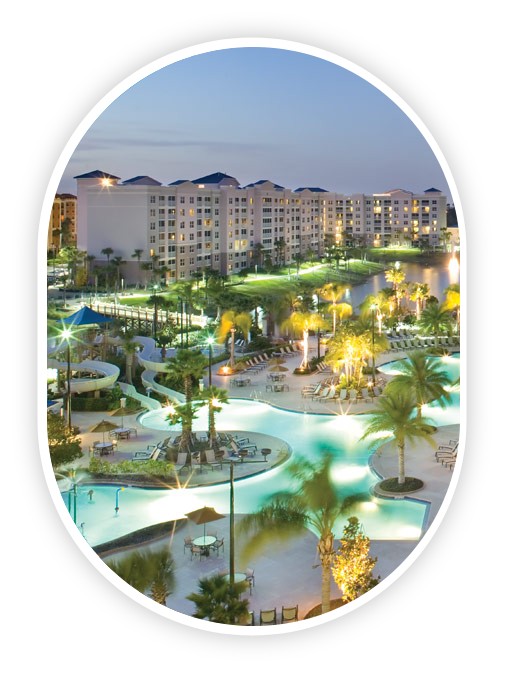
The use of a resort for a business trip can be more economical and comfortable. By getting a unit with multiple bedrooms and a kitchen and living room, a work space is available and possibly less travel time for all on the trip. And that doesn’t even take into consideration the resort amenities such as pools, hot tubs, exercise facilities, etc.